Ramadan: 8 Irresistible Iftar Dishes You Must Try in Indonesia
As the Holy Month of Ramadan graces Indonesia, a land adorned with a mosaic of islands and a fusion of cultures, the essence of this holy month illuminates through its vibrant culinary traditions.
The moment the sun dips below the horizon, Indonesian families come together, ready to break their fast with an array of dishes that blend the sweet with the savory, each bite narrating the rich tapestry of the nation's culinary history.

This journey uncovers the eight quintessential Ramadan dishes of Indonesia, offering a taste of the country's diverse and rich culinary heritage during the Holy Month.
Must-Try Ramadan Dishes In Indonesia
- For those observing Ramadan in Indonesia, the Iftar table is incomplete without dates (kurma). Revered across Muslim-majority countries, these fruits are a powerhouse of nutrition, providing a natural burst of energy needed after a day of fasting. The tradition of starting the break of the fast with dates is a cherished practice that underscores their significance in Ramadan rituals.
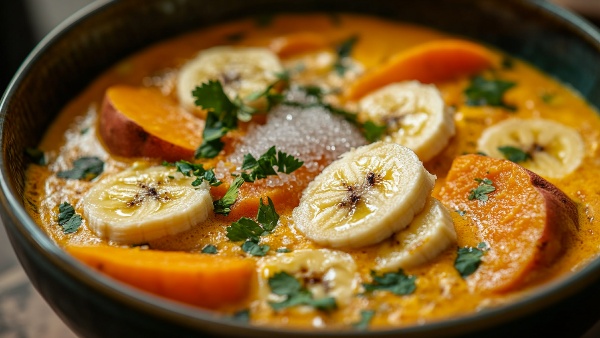
- Another delight that graces the Ramadan table in Indonesia is Kolak. This sweet concoction, combining coconut milk with bananas, sweet potatoes, and a sprinkling of palm sugar, is enhanced with the aroma of pandan leaves. Whether served warm or cold, it offers a refreshing and energizing treat that's especially welcomed after fasting.
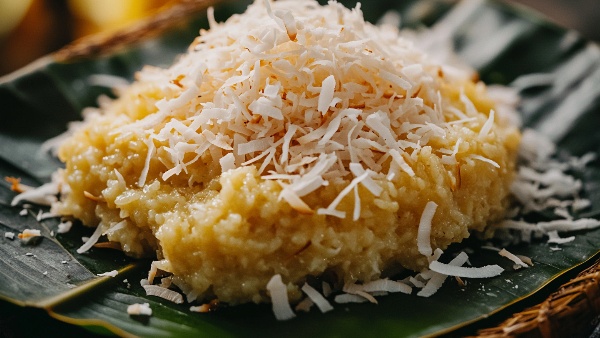
- A unique treat from Yogyakarta, Kicak, entices with its combination of mashed sticky rice and shredded coconut, presented traditionally on banana leaves. Its distinctive texture and sweetness make it a sought-after indulgence during the fasting month.
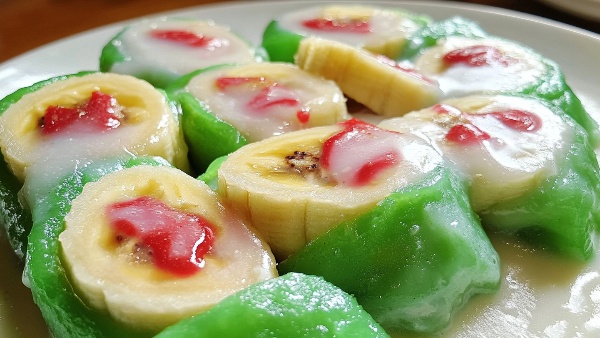
- Meanwhile, Es Pisang Ijo stands out as a refreshing dessert, featuring bananas encased in green rice flour dough, accompanied by coconut milk and cocopandan syrup, offering a cooling respite on warm evenings.
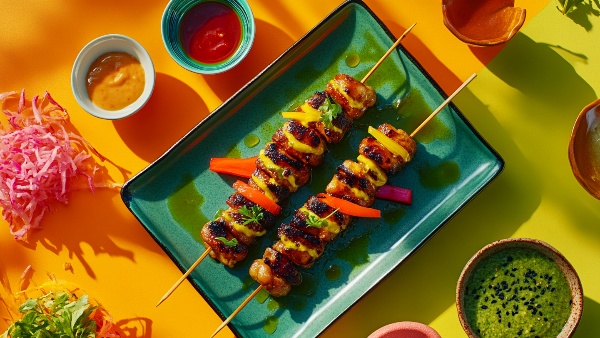
- For those with a penchant for bold flavours, Pakat, a dish popular in North Sumatra, presents an intriguing mix of tangy and slightly bitter tastes. Made from grilled rattan shoots served with a spicy chili sauce, it provides a stimulating contrast amid the predominantly sweet Ramadan fare.

- West Kalimantan offers Sotong Pangkong, a protein-rich dish of dried squid grilled and pounded until tender, usually enjoyed with a savory shrimp and peanut sauce. This dish stands as a testament to the region's culinary creativity and provides essential nutrients after a day of fasting.

- Bali introduces Sate Susu, a unique take on the traditional satay, utilising marinated and grilled beef udder. Its smoky flavor and tender texture make it a standout dish during Ramadan, celebrated for both its nourishment and rich taste.
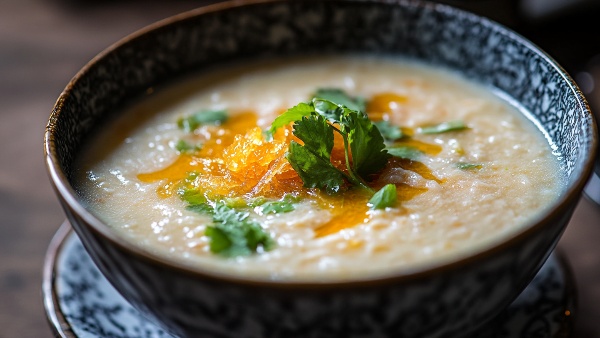
- Lastly, Bubur Sumsum offers a comforting end to a meal with its creamy texture. This rice flour porridge, made luscious with coconut milk and served with palm sugar syrup, is a gentle, soothing option for those breaking their fast or seeking sustenance during Suhoor.


These Ramadan specialties not only showcase the gastronomic diversity of Indonesia but also embody the cultural richness that defines the nation's heritage.
- Inputs by W7Worldwide, a strategic communications and media consultancy

 Sign in with Google